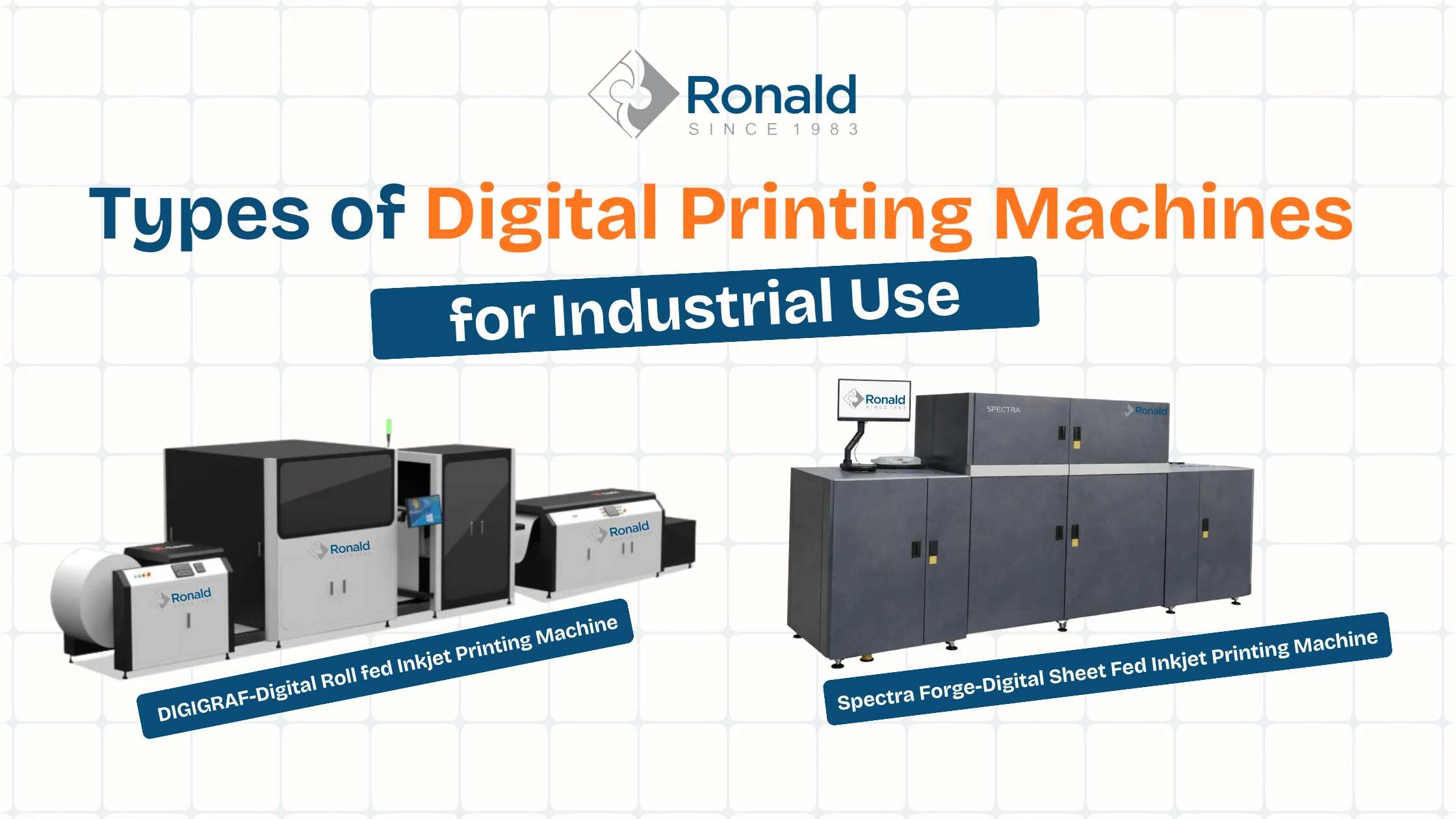
Types of Digital Printing Machines for Industrial Use Introduction Digital printing has completely changed how the printing industry works today....
March 20, 2026
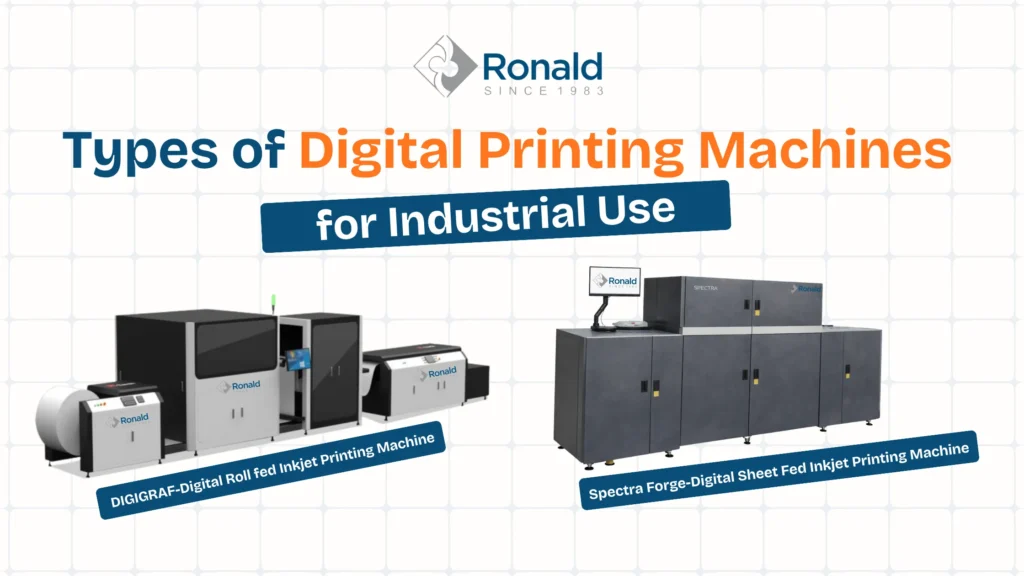
Digital printing has completely changed how the printing industry works today. Earlier, most businesses used a traditional printing press setup. It required printing plates, time, and high setup costs. Things Are Different Now.
Today’s market demands speed, flexibility, and high printing quality—and that’s exactly where digital printing comes in.
If you’re running a printing business or planning to start one, understanding the right type of printing machine can make a huge difference. I wrote this guide in a simple, practical way so you can actually understand and apply it.
Digital printing is a modern process. It prints designs from a file directly onto paper or other materials. Unlike traditional printing press systems, there is no need for printing plates.
This helps streamline the process, making it faster and more efficient.
Here’s what makes digital printing useful:
Because of this, industrial digital printing is widely used in packaging, labels, and commercial printing.
Every business focuses on improving speed and maximizing profit.
Traditional printing press systems still work, but they are not flexible. Digital modern printing press solves that problem.
Here’s why businesses are switching:
In simple terms, digital printing gives you more control and better margins.
Now, let’s understand the most important digital printers used in real industrial work.
Inkjet is one of the most popular technologies in industrial printing.
It sprays tiny droplets of ink onto the material.
Best for:
Why it works well:
Things to keep in mind:
If you’re in the printing book business, this is one of the best digital printing solutions available today.
Laser printing uses toner and heat instead of ink.
Best for:
Advantages:
Limitations:
Commercial printing primarily uses this, not high-volume production.
Sheetfed presses print using separate sheets of paper.
Best for:
Advantages:
Limitations:
If your focus is quality, this is a solid option.
Roll-fed printing machines use continuous rolls and handle high-volume jobs.
Best for:
Advantages:
Limitations:
UV printing uses light to dry ink instantly.
Best for:
Advantages:
Limitations:
People mainly use this for customized products.
Best for:
Advantages:
Limitations:

Digital printing offers greater flexibility and speed.
The traditional printing press is still useful for massive bulk jobs.
Instead of following trends, focus on choosing a solution that aligns with your business requirements.
Before making a decision, consider the following:
Quick Guide:
The future of industrial printing is clearly digital.
Some trends you should know:
If you adapt early, you’ll stay ahead in the market.
Digital printing does not require printing plates and is faster for small jobs. A traditional printing press is better for **high-volume** printing but needs more setup time and cost.
Inkjet and UV machines are great for packaging. They work on many surfaces and run fast.
Yes, modern industrial digital printing machine designers optimize them for high speed, better printing quality, and large-scale production.
Digital printing has a lower setup cost and is better for short runs. Offset printing becomes cheaper only when printing in massive quantities.
Both digital and traditional methods can give high quality. However, digital printing offers consistent printing quality with faster output.
Not exactly, digital printing is growing fast, but traditional presses still work well for massive print runs.
Digital printing is no longer the future—it’s the present.
Whether you are upgrading from a traditional printing press or starting from scratch, the right machine can help you grow faster. It can also help you stay competitive.
Focus on:
Make a smart decision, and your printing business can scale quickly.
Ronald Web Offset Pvt. Ltd. published this article. The company provides industrial digital printing solutions for modern businesses.
With hands-on experience in high-speed inkjet and web offset printing, the company helps clients choose the right machines. It bases its recommendations on real production needs. The focus is on improving printing speed, maintaining consistent quality, and boosting overall profit margins.
From packaging and commercial printing to high-volume production, Ronald Web Offset Pvt. Ltd. works with businesses. We deliver reliable and scalable printing solutions.
Looking for the right digital printing machine for your business?
Connect with our team for expert guidance and find the best solution based on your budget and production goals.
Types of Digital Printing Machines for Industrial Use Introduction Digital printing has completely changed how the printing industry works today....
How Does Digital Printing Work: A Step-by-Step Guide Introduction Digital printing has become one of the most important technologies in...
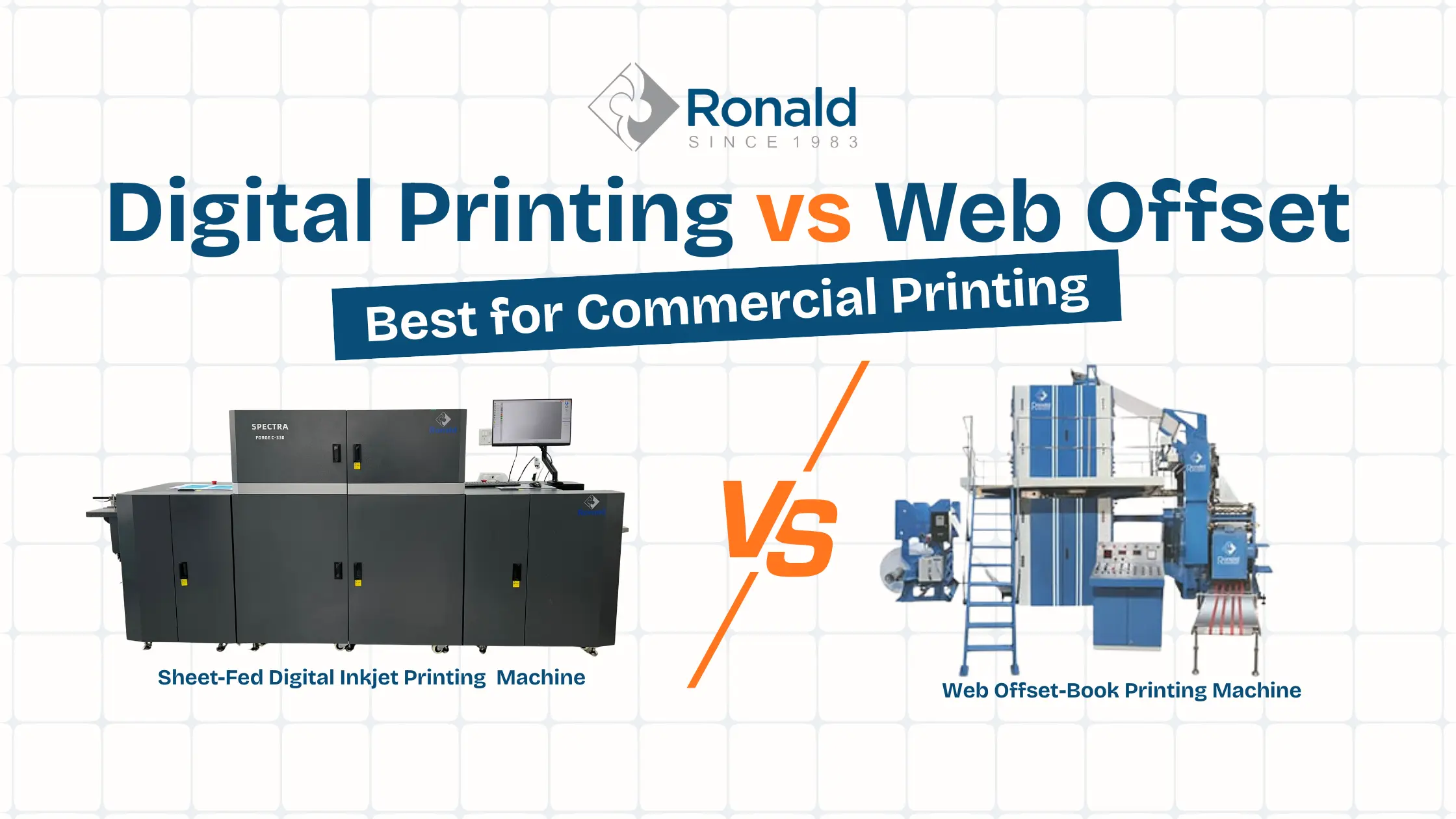
Digital Printing vs Web Offset: Best for Commercial Printing Introduction The printing industry has changed a lot over the years....
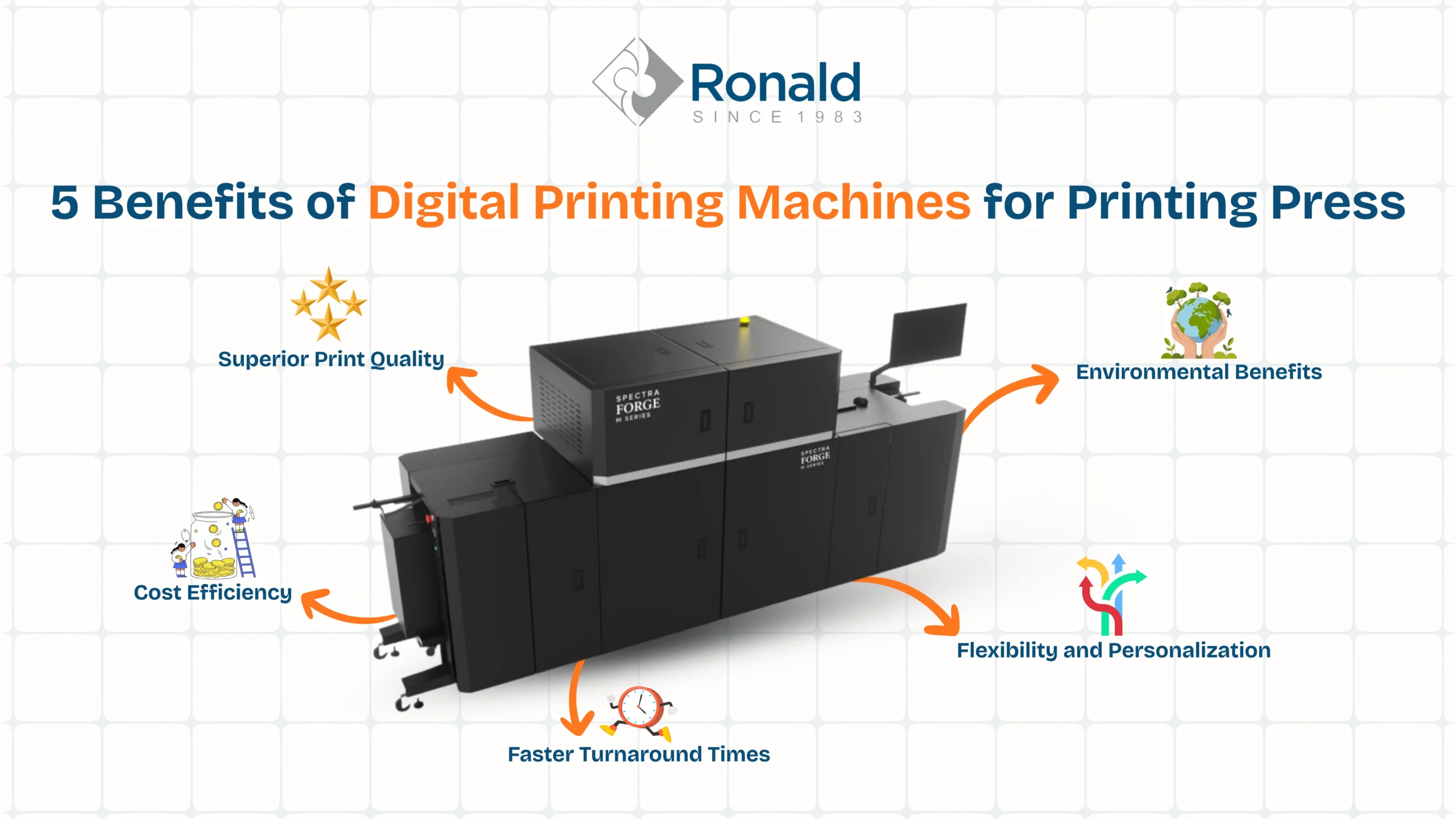
5 Benefits of Digital Printing Machines for Printing Press Introduction The printing industry has changed quickly in recent years. Businesses...