
The publishing industry is changing fast. Publishers are looking for ways to reduce costs, improve efficiency, and respond quickly to market demand. Traditional offset printing still plays an important role in book production. However, it is not always the best choice for short-run printing.
Today, many publishers are moving toward Print-on-Demand (POD) book printing. This modern approach prints books only when readers need them. As a result, publishers can avoid large inventories and reduce financial risk.
Digital inkjet printing is making this shift possible. It offers faster setup, lower production costs for short runs, and greater flexibility. That is why publishers, educational institutions, and commercial printers are increasingly adopting digital printing technology.
What Is Print-on-Demand Book Printing?
High-quality printing and Print-on-Demand are printing methods.
A printer makes books only after a customer places an order. Instead of printing thousands of copies at once, publishers can print smaller quantities based on actual demand.
This approach offers several benefits:
- Lower inventory costs
- Reduced storage requirements
- Better cash flow
- Less waste
- Faster order fulfillment
Publishers no longer need to guess how many copies will sell. They can print books as orders come in and replenish stock when needed.

Why Traditional Offset Printing Faces Challenges
Offset printing remains one of the most popular printing methods in the world. It delivers excellent quality and is highly cost-effective for large production runs.
However, modern publishing demands more flexibility.
High Setup Costs
Offset printing requires printing plates. You must prepare these plates before production begins.
Whether a publisher prints 500 books or 50,000 books, the initial setup cost remains.
This may cause short print runs to be costly.
Large Inventory Requirements
To reduce the cost per book, publishers often print large quantities.
While this lowers unit costs, it creates another problem: inventory.
Store the books in a safe, clean, and dry place and keep them organized and protected from damage while you wait to sell them.
Risk of Unsold Books
Not every title performs as expected.
When publishers print too many copies, unsold books **occupy** warehouse space and lock up valuable capital.
Slower Content Updates
Many books require revisions. Educational materials, technical manuals, and training guides often change every year.
Updating offset-printed books can increase both cost and production time.
Why Publishers Are Choosing Digital Inkjet Printing
Digital inkjet printing press solves many of these challenges.
Unlike offset printing, digital presses print directly from digital files. You won’t require printing plates or time-consuming, extended setup processes.
This makes digital printing an attractive option for modern book production.
No Plate Costs
One of the biggest advantages of digital inkjet printing is that it eliminates plate-making costs.
Printers can move directly from the digital file to production.
This reduces setup expenses and improves efficiency.
Faster Turnaround Times
Speed matters in today’s publishing market.
Publishers often need books delivered quickly. Educational institutions, training centers, and businesses may require urgent printing jobs.
Digital printing allows production to begin almost immediately.
As a result, turnaround times are significantly shorter.
Cost-Effective Short Runs
Not every project requires thousands of copies.
Many publishers need:
- 100 books
- 500 books
- 1,000 books
Digital printing makes these smaller runs affordable because setup costs are much lower.
Better Inventory Management
Print-on-Demand helps publishers maintain lean inventories.
Instead of filling warehouses with books, they can print only the required books.
This reduces storage expenses and minimizes waste.
Easy Content Updates
Digital files can be edited quickly.
If a publisher needs to update a textbook, training guide, or manual, the revised file can go straight to production.
You don’t need any new plates or complex setup procedures.
Why Print-on-Demand Is Growing in 2026
Print-on-Demand continues to gain popularity more and more annually.
Readers want access to a wider variety of books. Publishers want to reduce costs. Authors want more publishing options.
At the same time, online book sales continue to grow.
These changes have increased demand for flexible printing solutions.
Print-on-Demand helps publishers meet these expectations. They can keep books available without investing heavily in inventory. They can also respond quickly to market trends and customer demand.
For independent authors, POD offers a simple way to publish books without large upfront printing costs.
For educational publishers, it makes it easier to update and distribute learning materials.
For commercial printers, it creates new business opportunities in short-run production.
As a result, Print-on-Demand should stay a key growth area in the printing industry through 2026 and beyond.
Applications of Print-on-Demand Book Printing
Many industries use Print-on-Demand.
Educational Publishing
Schools and universities regularly update textbooks and study materials.
Digital printing helps publishers produce current editions without maintaining large inventories.
Academic Publishing
Research journals and academic books often have limited demand.
POD allows publishers to print only the required quantity.
Self-Publishing
Independent authors can launch books without investing in large print runs.
This reduces financial risk and improves flexibility.
Corporate Training Materials
Businesses often update training content.
Digital printing lets you print manuals and guides whenever you need them.
Government Documents
Government agencies frequently require reports, manuals, and educational materials.
Print-on-Demand provides an efficient solution for these projects.
How Sheet-Fed Digital Inkjet Printing Machines Support POD Production
Modern Sheet-Fed Digital Inkjet Printing Machines enable flexible book production.
They offer:
- High-speed printing
- Consistent quality
- Fast job changes
- Lower setup time
- Efficient short-run production
These features make them ideal for publishers and commercial printers looking to expand their Print-on-Demand capabilities.
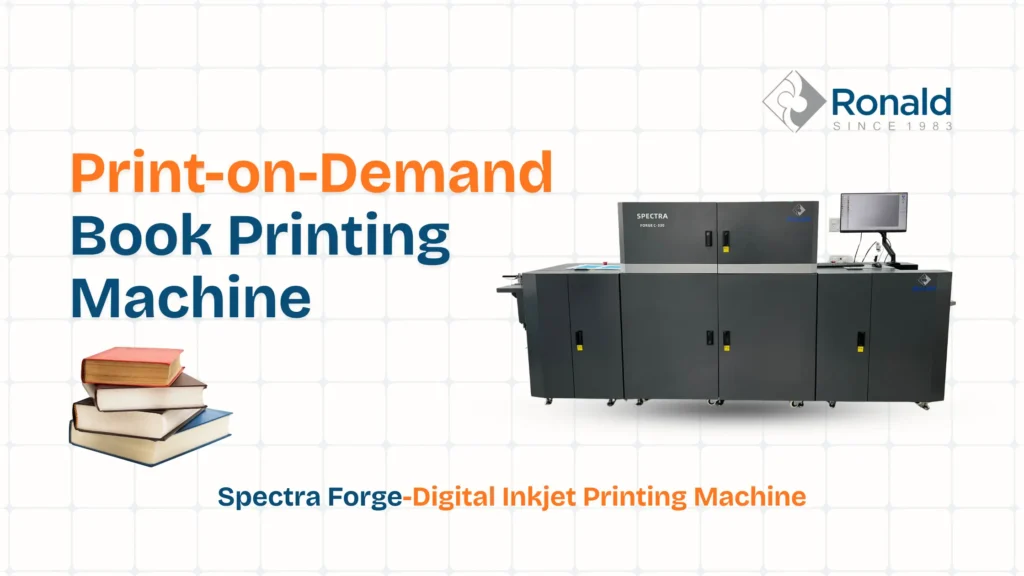
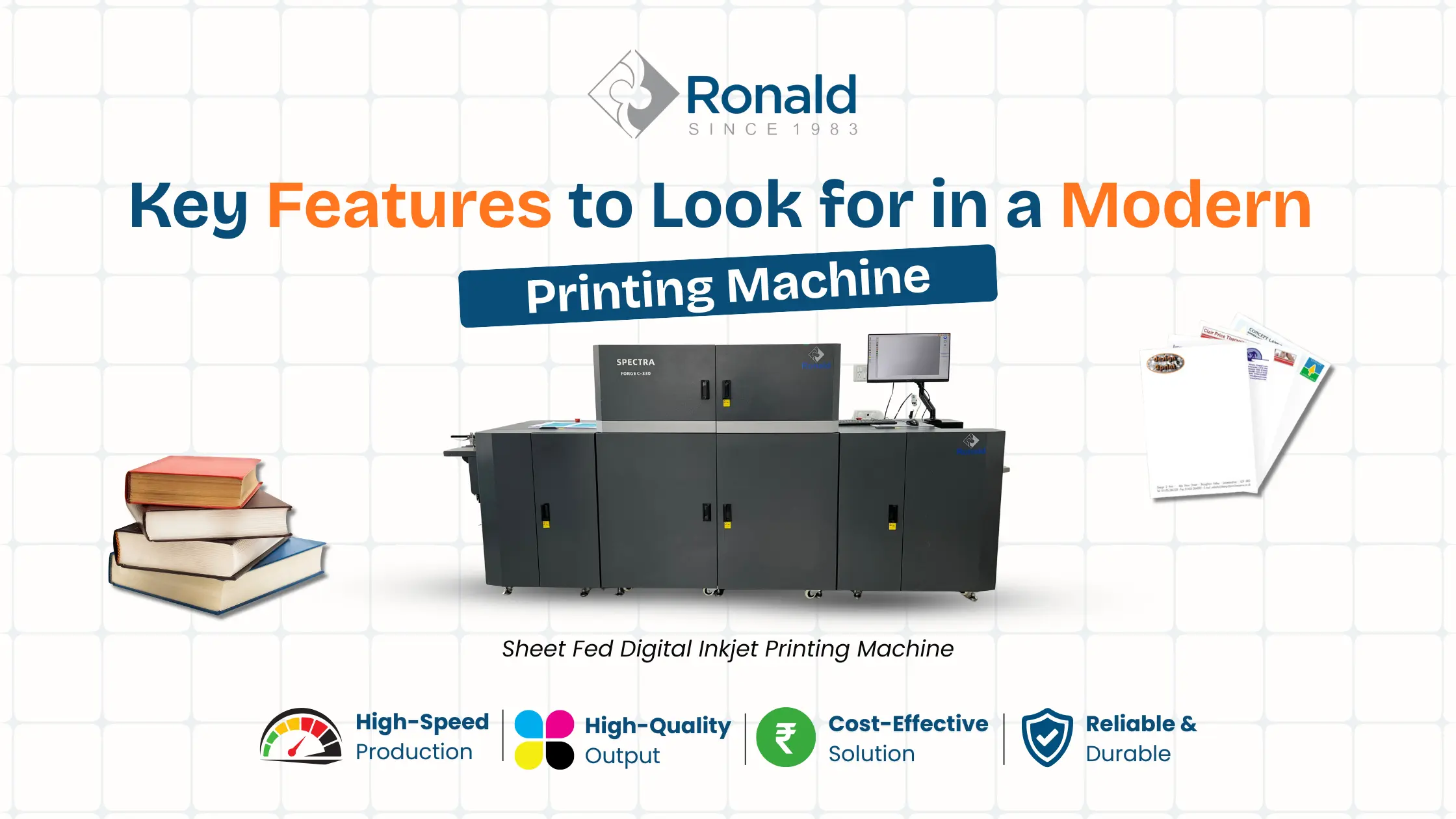
Solutions like the Spectra Forge Sheet-Fed Digital Inkjet Printing Machine help printers produce short-run books. They maintain productivity and print quality.
The Future of Book Printing
The future of book printing is not about choosing one technology over another.
Offset printing will continue to serve large-volume production needs.
Digital printing will continue to grow in short-run and Print-on-Demand applications.
Together, these technologies give publishers more flexibility.
As customer expectations continue to evolve, publishers will need faster, smarter, and more cost-effective production methods.
Digital inkjet printing is well-positioned to meet those needs.
Conclusion
Print-on-Demand book printing is transforming the publishing industry.
It helps publishers reduce inventory costs, minimize waste, and improve production flexibility.
While offset printing is still a strong choice for large print runs, digital inkjet printing works better for short runs. It also supports on-demand production.
Digital printing removes plate costs. It reduces setup time. It enables faster turnaround. This helps publishers respond quickly to changing market needs.
As the industry changes, Print-on-Demand and digital inkjet printing will remain important in book production.
They will continue to play a major role.
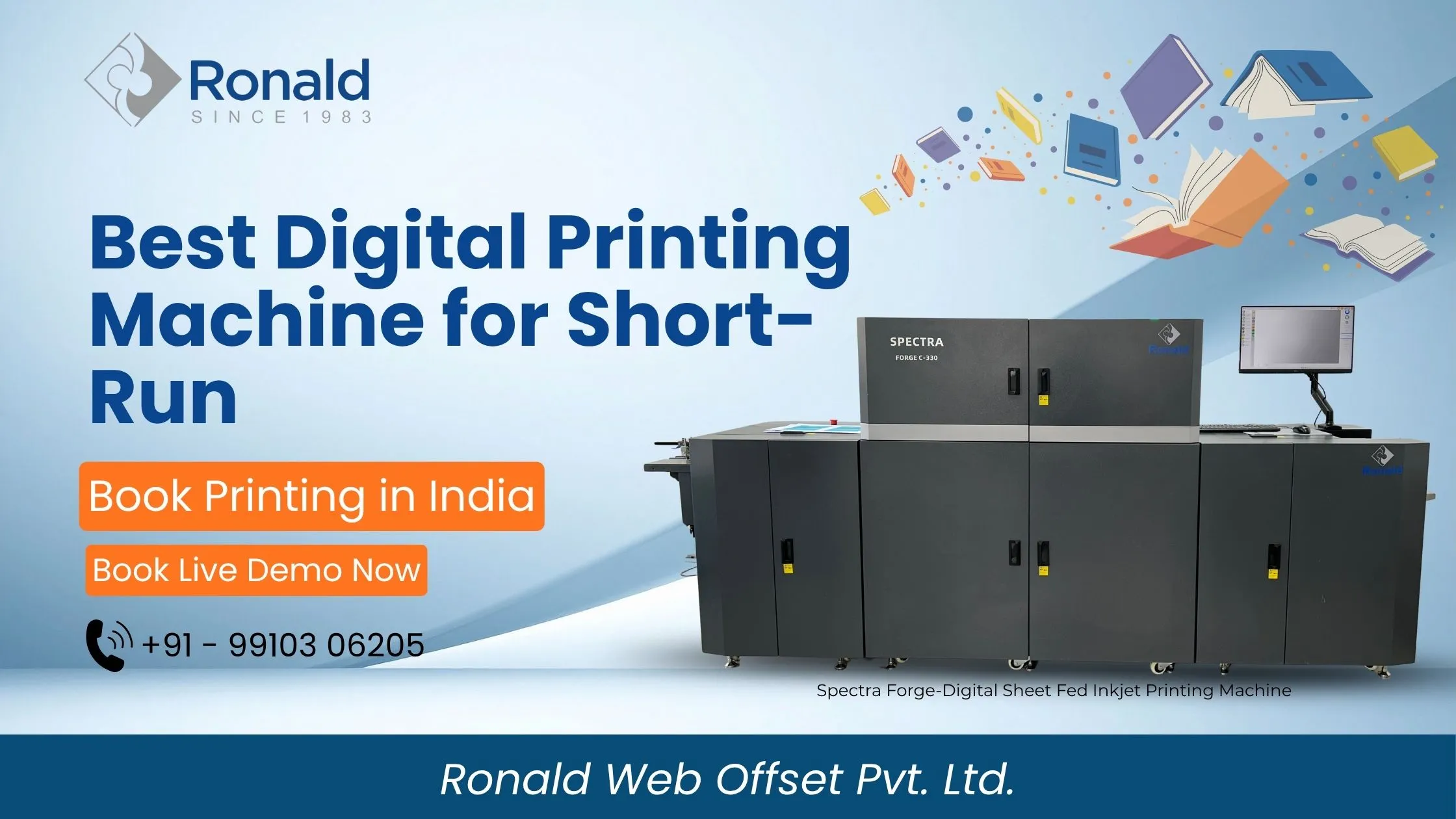
Best Digital Printing Machine for Short-Run Book Printing in India Digital printing machine for short-run books in India can help...
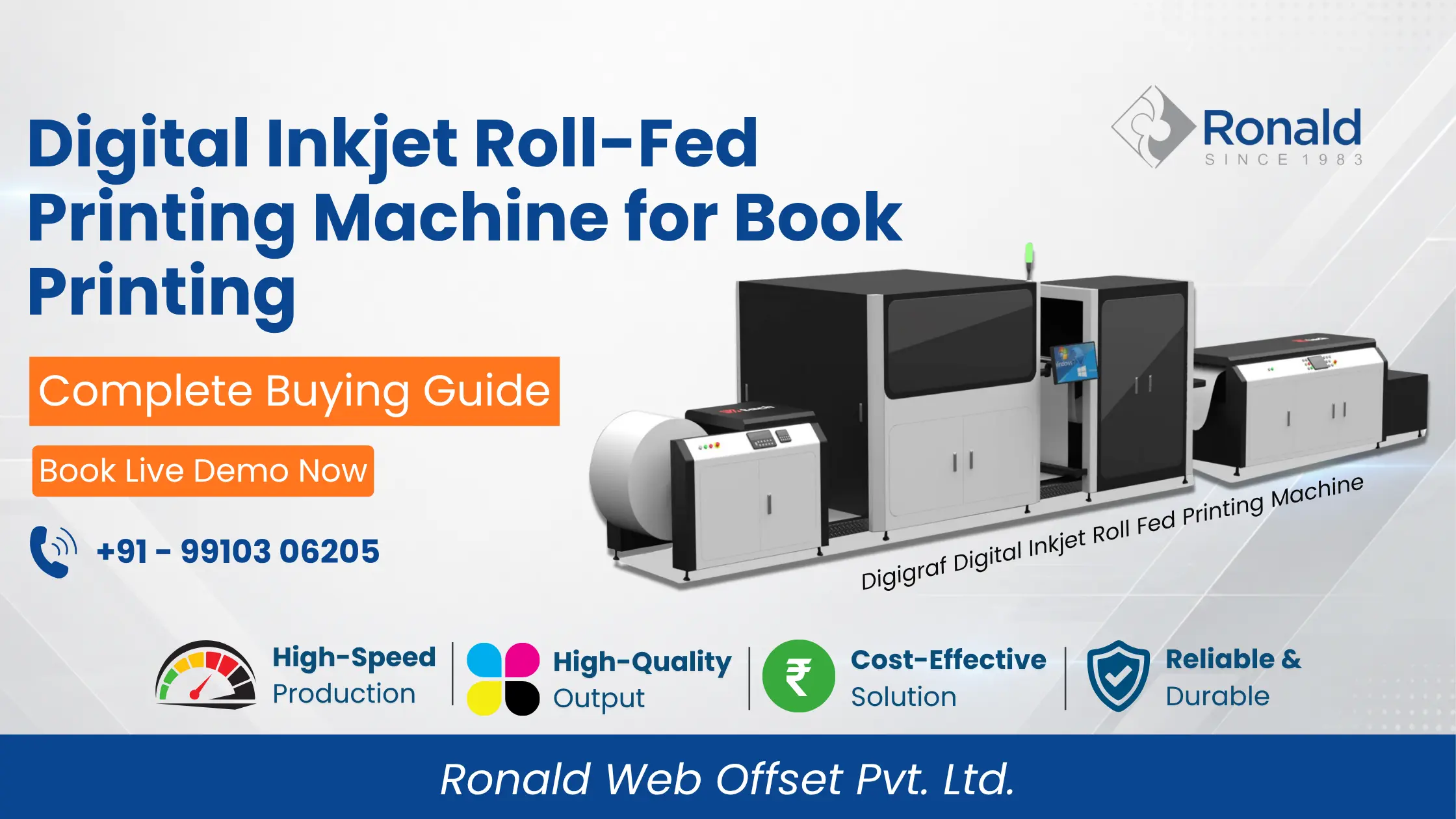
Digital Inkjet Roll Fed Printing for Book Printing A Digital Inkjet Roll Fed Printing Machine for Book Printing can help...
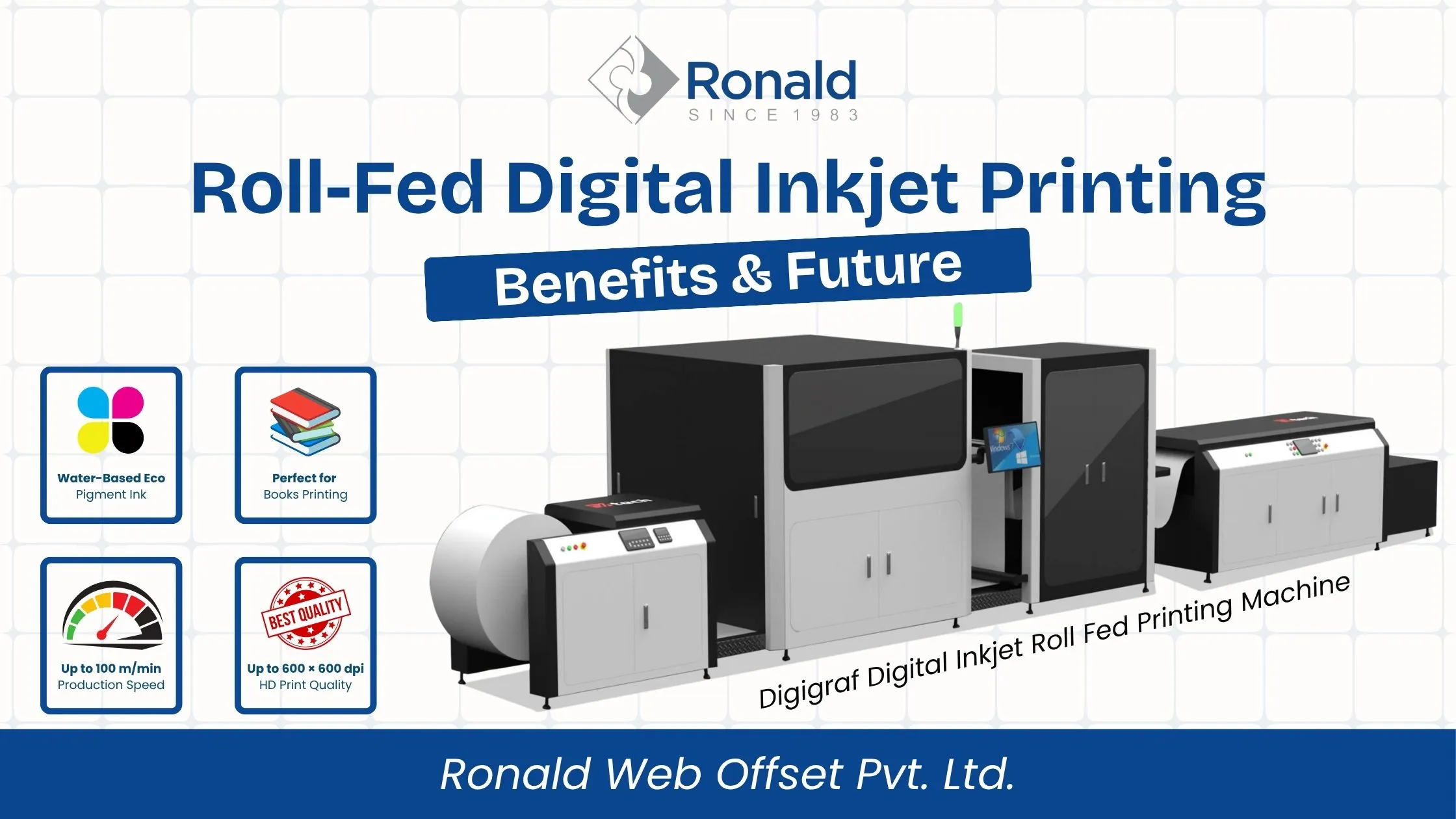
Roll-Fed Digital Inkjet Printing: Benefits & Future Introduction The printing industry is changing fast. Customers want better quality, faster delivery,...
Key Features to Look for in a Modern Printing Machine: Complete Buyer’s Guide The key features to look for in...