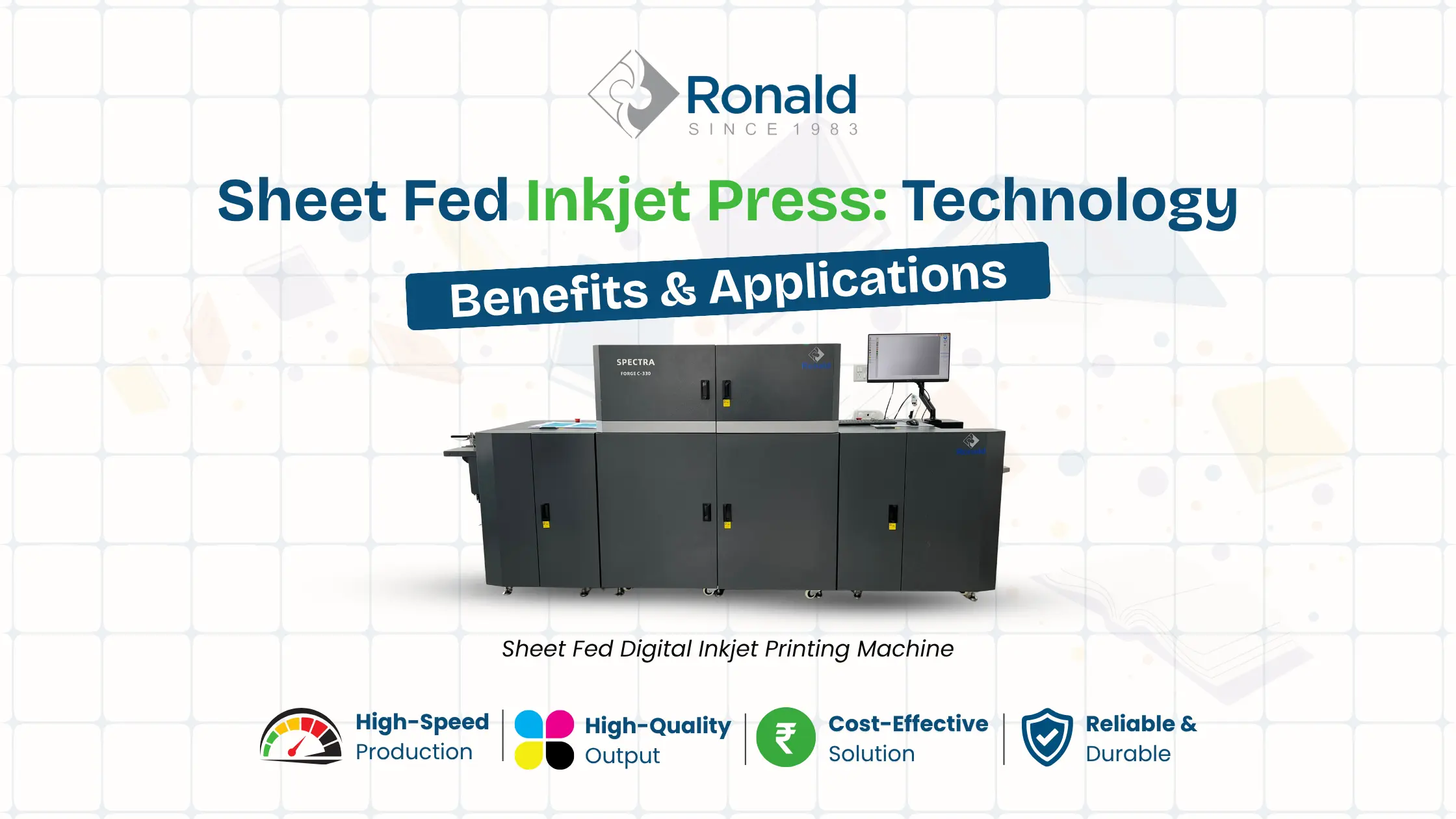
Sheet Fed Inkjet Press: Technology, Benefits & Applications The printing industry is changing rapidly as businesses look for faster, more...
October 1, 2026
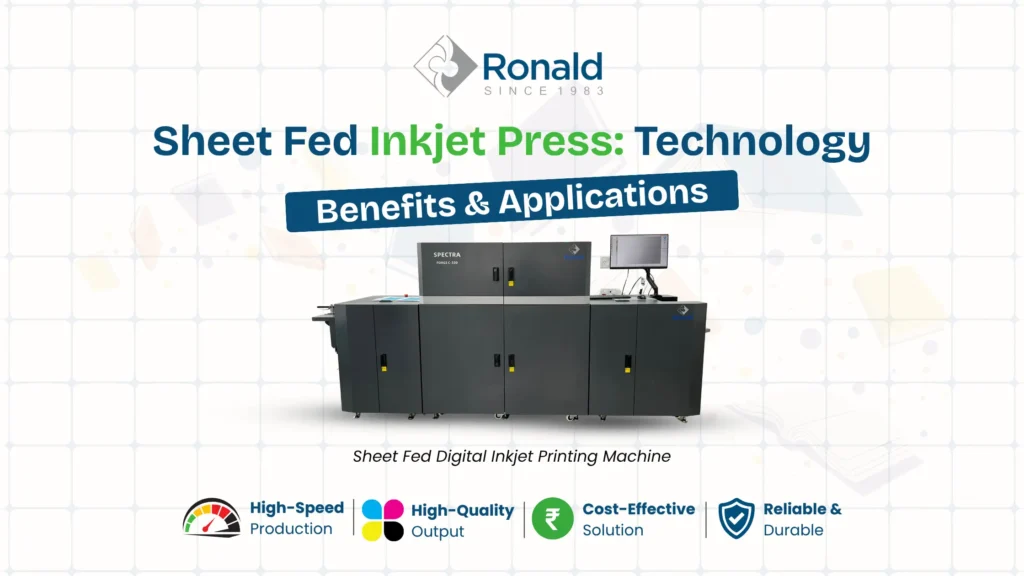
The printing industry is changing rapidly as businesses look for faster, more flexible, and cost-effective printing solutions. A sheet–fed inkjet press gives printers an efficient digital option for high-quality output without long setup times.
Unlike roll-fed systems, a sheet fed inkjet press works with individual sheets of paper. This makes it a practical solution for applications that need flexible handling of different jobs, paper sizes, and quantities. Especially useful for book printing and letterhead production, where print requirements can change frequently.
A sheet fed inkjet press is a digital printing system designed to print directly onto individual sheets of paper. Instead of using printing plates, the system uses industrial inkjet printheads to transfer digital artwork onto the sheet.
The digital workflow allows printers to move from one job to another with minimal setup. You do not need to prepare new plates for every design. As a result, printers can manage short runs, customized jobs, and frequently changing print requirements more efficiently.
Modern sheet-fed inkjet systems use automated paper feeding, digital imaging, and precise paper handling. They also use stacking technology to create a streamlined production process.
The process begins when the paper feeding system loads individual sheets. Then the system transports the sheets through the printing path and controls their movement and alignment.
We send the digital file directly to the press, where industrial inkjet printheads deposit ink onto the paper. Depending on the printing requirement, the system can produce single-sided or duplex output.
After printing, the stacker gathers the completed sheets. This digital workflow reduces manual intervention and allows printers to move quickly between different jobs.
One of the major advantages of digital inkjet printing is that it does not require conventional printing plates. The digital workflow can send every job directly to the press.
This can make the process more suitable for short and variable print runs.
Traditional printing can require preparation and setup before a new job begins. With a digital sheet fed inkjet press, changing from one digital job to another is much simpler.
This is useful for printers handling multiple customers or different book and stationery requirements.
Printers often need to produce different quantities for different customers. A sheet-fed inkjet press is flexible for small and medium jobs. It does not need the same setup as conventional printing.
It can be particularly useful when print demand changes regularly.
Digital printing makes it easier to create customized content. You can process different files within the same production workflow.
This is useful for personalized books, learning materials, manuals, and letterheads. The content may change from one job to another.
Short print runs are often challenging. Traditional printing setup fees can account for a large portion of the overall job cost.
Digital inkjet technology reduces the need for extensive setup. Therefore, printers can handle shorter runs with greater production flexibility.
Both technologies have an important place in the printing industry. However, their workflows are different.
Traditional offset printing uses plates and generally involves more preparation before production. It works highly effectively for large-volume jobs where you print the same content repeatedly.
A sheet fed inkjet press, on the other hand, works directly from digital files. It can reduce setup requirements and provide greater flexibility when jobs change frequently.
For printers making books, letterheads, and other often changing documents, digital sheet-fed printing offers a practical option.
A modern sheet fed inkjet printing machine can support several applications where flexible digital production is important.
Book printers can use digital inkjet technology for short-run and customized book production. It can also help manage jobs where titles, quantities, or content change regularly.
Businesses often require professional letterheads with different company details, layouts, or quantities. Digital printing makes it easier to produce such jobs directly from digital files.
Educational content may require frequent updates. Digital sheet-fed printing can help printers produce updated editions without preparing new plates for every change.
Technical manuals and business documents can also benefit from digital production, particularly when different versions or smaller quantities are required.

Spectra Forge is a sheet-fed digital inkjet printing machine developed for efficient digital production of books and letterheads.
Designers created its digital workflow to help printers reduce setup requirements while maintaining flexibility across different printing jobs. The machine supports sheet-based production and incorporates automated paper handling for a streamlined workflow.
Spectra Forge is especially useful for printers who want to grow their digital printing abilities. It helps with jobs that need flexibility, fast changeovers, and short runs.
Printers reviewing a sheetfed inkjet press should consider print quality, paper handling, workflow, job flexibility, and operating costs.
Spectra Forge combines digital inkjet printing with automated sheet handling. It creates a production-ready solution for book and letterhead printing.
Its main value is the ability to go from digital files to printed sheets without making plates. This allows printers to respond more easily to changing customer requirements.
Before investing in a sheet fed inkjet press, printers should evaluate their actual production requirements.
Consider the following factors:
The right machine should match the printer’s existing workflow and the type of jobs they regularly produce.
A sheet-fed inkjet press is a digital printing machine. It prints directly onto individual paper sheets using industrial inkjet technology.
Yes. Sheet-fed digital inkjet presses can be a great fit for book printing. They work well for short print runs, support personalized projects, and handle frequent content updates.
No. Digital inkjet printing works directly from digital files and does not require conventional printing plates.
The key advantage is production flexibility. Printers can change digital jobs quickly and handle different quantities without the same plate-based setup process.
Yes. Spectra Forge is designed for applications including book printing and letterhead production.
A sheet fed inkjet press provides a flexible digital approach to modern printing. By removing standard plate requirements. By simplifying job changes, it can help printers manage changing production demands more efficiently.
For book and letterhead printers, digital sheet-fed technology is invaluable for short runs and custom jobs. It also supports flexible production.
With its digital workflow and automated sheet handling, Spectra Forge helps printers use modern sheet-fed inkjet technology.
It offers a practical way to make the switch.
Sheet Fed Inkjet Press: Technology, Benefits & Applications The printing industry is changing rapidly as businesses look for faster, more...
Best Digital Printing Machine for Short-Run Book Printing in India Digital printing machine for short-run books in India can help...
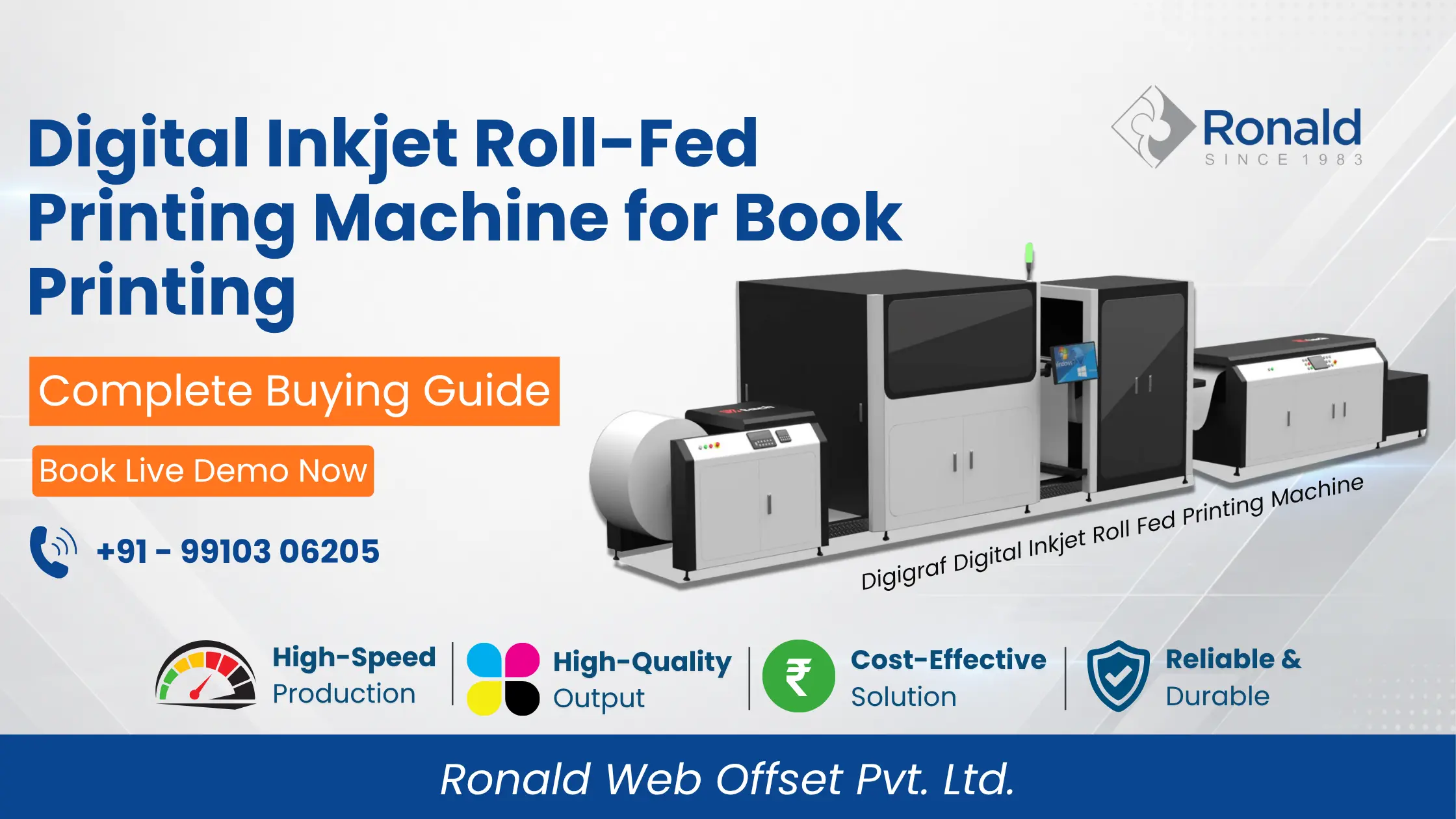
Digital Inkjet Roll Fed Printing for Book Printing A Digital Inkjet Roll Fed Printing Machine for Book Printing can help...
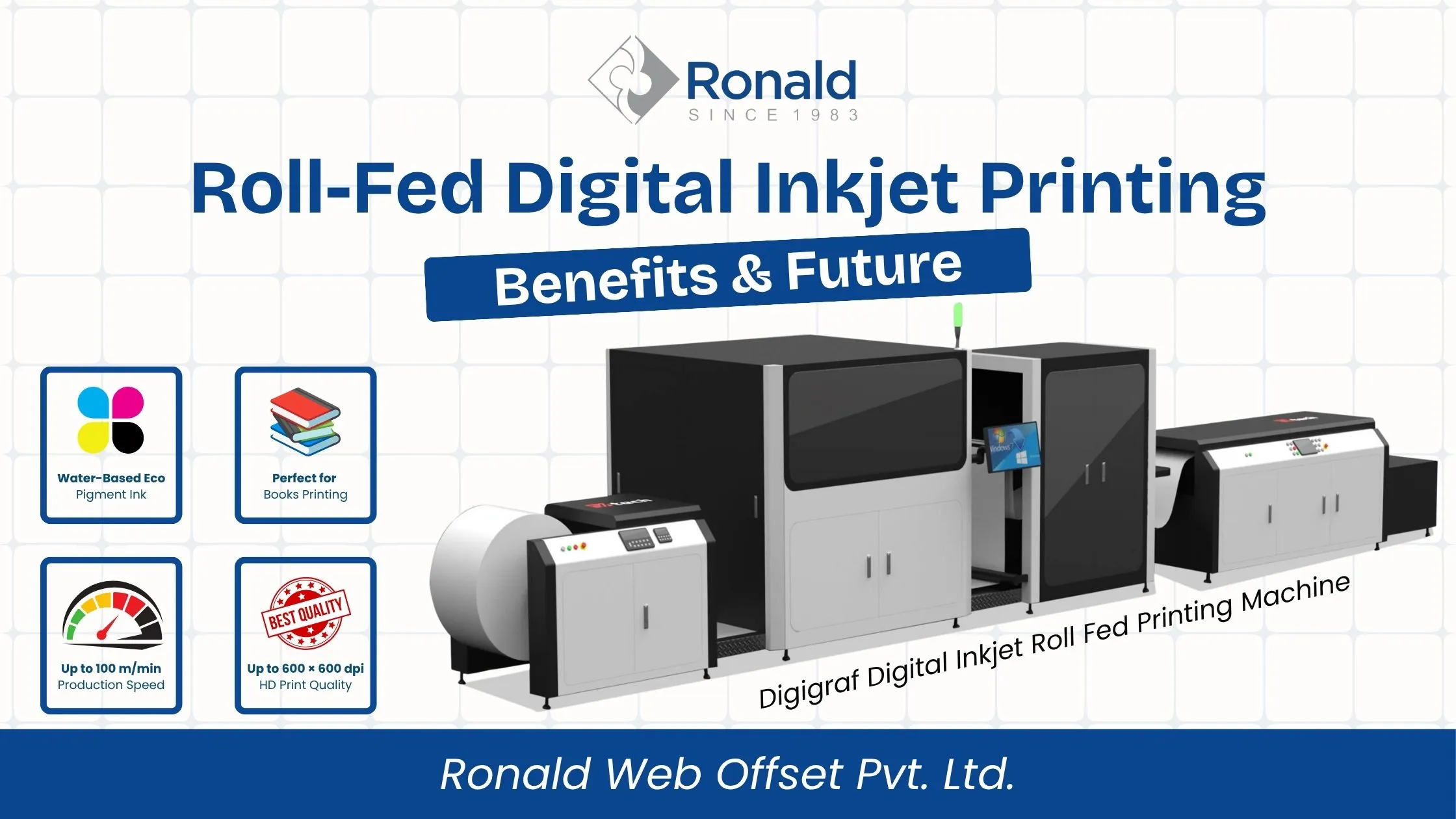
Roll-Fed Digital Inkjet Printing: Benefits & Future Introduction The printing industry is changing fast. Customers want better quality, faster delivery,...