
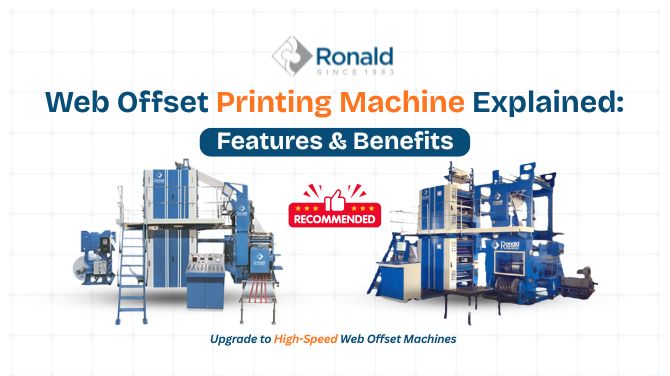
In today’s fast-moving printing industry, businesses need speed, precision, and consistent print quality. This is where a web offset printing machine becomes one of the most reliable solutions for commercial printing. From newspapers and magazines to books, catalogs, packaging materials, and advertising inserts, web offset technology handles large volumes with impressive efficiency.
If you own a printing business, it helps to know how a web offset printing machine works.
If you run a publishing company, it helps to know how a web offset printing machine works.
If you plan to buy industrial printing equipment, it helps to know how a web offset printing machine works. This knowledge can help you make better decisions.
What Is a Web Offset Printing Machine?
A web offset printing machine is a fast commercial press. It prints on continuous paper rolls, not separate sheets. Unlike traditional sheet-fed systems, paper rolls move through the press without stopping. This allows faster production and less downtime.
The technology uses offset lithography. The plate transfers the image to a rubber blanket. The rubber blanket then transfers it to paper. This process produces sharp images, accurate colors, and consistent results even during high-volume production runs.
Because of its efficiency and cost-effectiveness, web offset printing is widely used in:
- Newspaper printing
- Book printing
- Magazine production
- Packaging printing
- Commercial advertising materials
- Educational books and catalogs
How Does a Web Offset Printing Machine Work?
The working process of a web offset printing machine is highly advanced but easy to understand.
Step 1: Plate Preparation
Printing plates are created with the required design or content. Each color uses a separate plate.
Step 2: Ink Transfer
The image from the printing plate transfers onto a rubber blanket instead of directly onto paper.
Step 3: Continuous Paper Feeding
Large paper rolls move steadily through the machine nonstop at high speed.
Step 4: Printing Process
The blanket cylinder transfers ink onto the paper surface with excellent accuracy.
Step 5: Drying & Finishing
Depending on the printing method, the printed material may pass through dryers, folders, or cutters before final delivery.
This setup helps businesses produce high-quality prints at industrial production speed.
Key Features of a Web Offset Printing Machine
1. High-Speed Production
One of the biggest advantages is its ability to handle large volumes quickly. Commercial printing companies can print thousands of copies in a short time.
2. Excellent Print Quality
Modern web offset presses produce clean text, vibrant images, and stable color consistency across long print runs.
3. Cost-Effective for Bulk Printing
The higher the print quantity, the lower the per-unit printing cost becomes. This makes web offset printing ideal for mass production.
4. Continuous Printing Operation
Since the machine uses paper rolls instead of sheets, production remains smooth with fewer interruptions.
5. Multi-Color Printing Capability
Advanced web offset presses support multiple color units for professional commercial printing requirements.
6. Versatile Applications
From newspapers to packaging materials, these machines support various types of printing applications.
Benefits of Using Web Offset Printing
Faster Turnaround Time
Businesses can complete urgent printing jobs faster without compromising quality.
Better Consistency
Web offset presses maintain stable print quality throughout the entire production cycle.
Reduced Setup Costs for Large Orders
Although the initial setup may take time, bulk printing significantly reduces long-term production expenses.
Reliable for Commercial Printing
The technology is trusted worldwide for industrial-scale printing projects.
Supports High Volumes Efficiently
The machine is specially designed for companies that regularly handle high-volume printing requirements.
Industries That Use Web Offset Printing Machines
Several industries depend on web offset printing technology every day.
Publishing Industry
Book publishers and newspaper companies rely heavily on web offset presses for mass printing.
Packaging Industry
Many packaging manufacturers use web offset systems for labels, wrappers, and promotional packaging materials.
Educational Sector
Educational books, examination papers, and academic materials are often produced using commercial printing systems.
Advertising & Marketing
Flyers, brochures, inserts, and catalogs require high-speed printing with high-quality output.

If your business regularly handles large-scale printing jobs, web offset presses are usually the better option.
Important Factors Before Buying a Web Offset Printing Machine
Before investing in a printing press, businesses should evaluate several important points:
- Production capacity requirements
- Printing speed
- Automation features
- Energy efficiency
- Maintenance support
- Print quality expectations
- Space availability
- Long-term operating costs
Choosing the right machine depends on your business goals and target printing applications.
Why Modern Printing Businesses Prefer Web Offset Technology
Modern commercial printing companies require systems that deliver speed, quality, and reliability together. Web offset printing machines continue to dominate industrial printing because they help businesses:
- Improve production efficiency
- Minimize operational interruptions.
- Manage large-scale projects
- Deliver consistent commercial print quality
- Handle continuous printing workloads
As printing demand grows worldwide, advanced web offset printing remains a dependable industry solution.
Final Thoughts
A web offset printing machine is one of the most powerful tools in modern commercial printing. Managing high volumes, keeping sharp print quality, and cutting long-term production costs make it essential.
Publishing houses, packaging companies, and industrial printing businesses consider it essential.
Whether you print newspapers, books, catalogs, or marketing materials, web offset technology delivers fast, consistent, professional results.
Businesses looking for reliable industrial printing solutions should carefully evaluate machine features, production goals, and long-term efficiency before investing.
Frequently Asked Questions (FAQ)
What is the main purpose of a web offset printing machine?
A web offset printing machine mainly handles high-speed commercial printing of newspapers, books, magazines, catalogs, and packaging materials.
Why is web offset printing better for large volumes?
Because it uses paper rolls and fast production systems, it is more efficient and cost-effective for bulk printing jobs.
What industries use web offset printing?
Publishing, packaging, advertising, education, and commercial printing industries commonly use web offset printing technology.
Is web offset printing suitable for short runs?
Web offset printing is generally more suitable for large production quantities. Printers often prefer sheet-fed printing for short-run jobs.
How does offset lithography work?
Offset lithography moves ink from a printing plate to a rubber blanket, then onto paper. It makes sharp, high-quality prints.
What are the benefits of using a web offset press?
Key benefits include faster printing speed, better consistency, lower bulk printing costs, and efficient large-volume production.
What types of products do web offset machines print?
These machines commonly print newspapers, magazines, textbooks, catalogs, brochures, advertising inserts, and packaging materials.
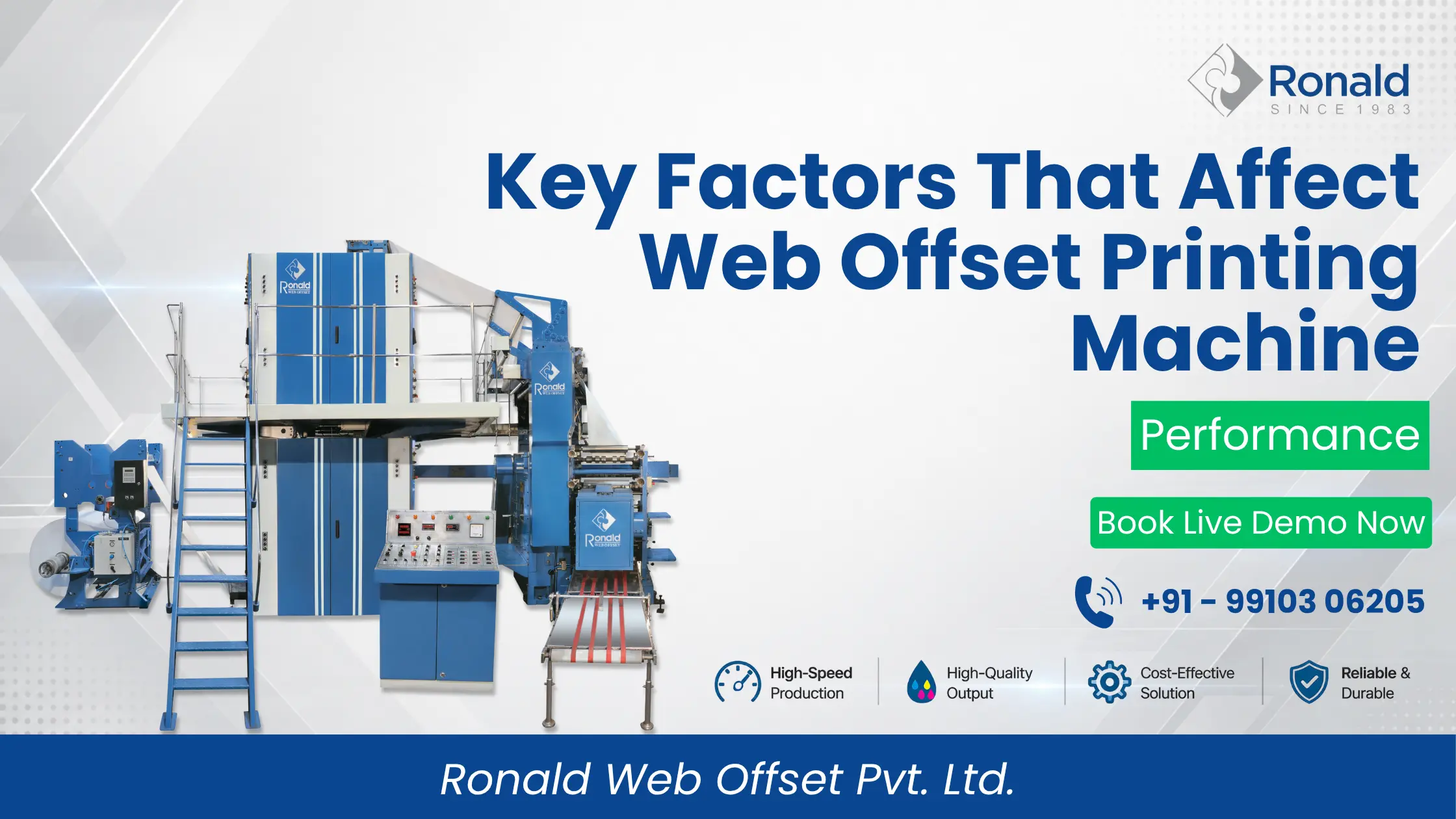
Key Factors That Affect Web Offset Printing Machine Performance Web offset machine performance plays an important role in high-volume printing....
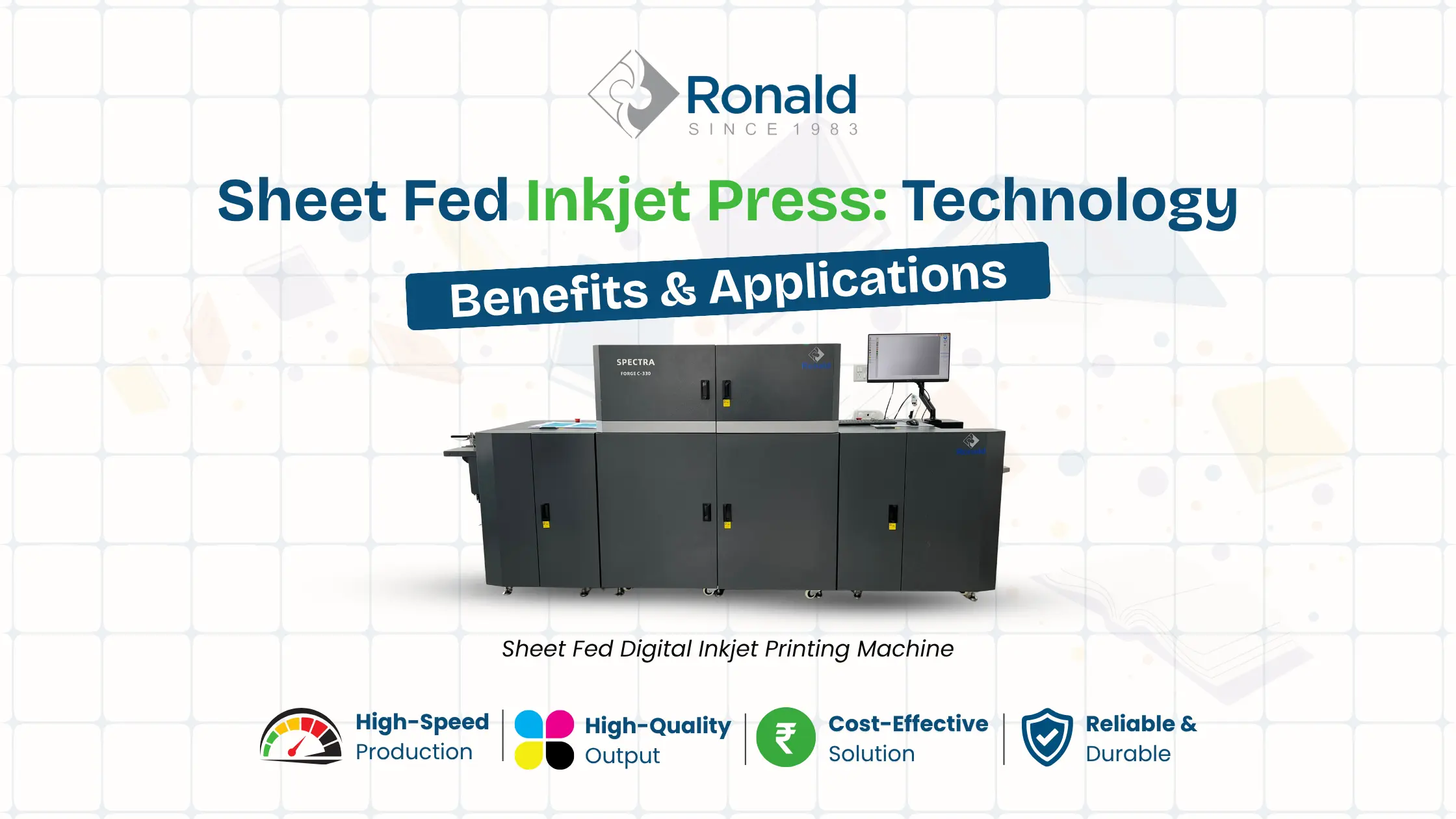
Sheet Fed Inkjet Press: Technology, Benefits & Applications The printing industry is changing rapidly as businesses look for faster, more...
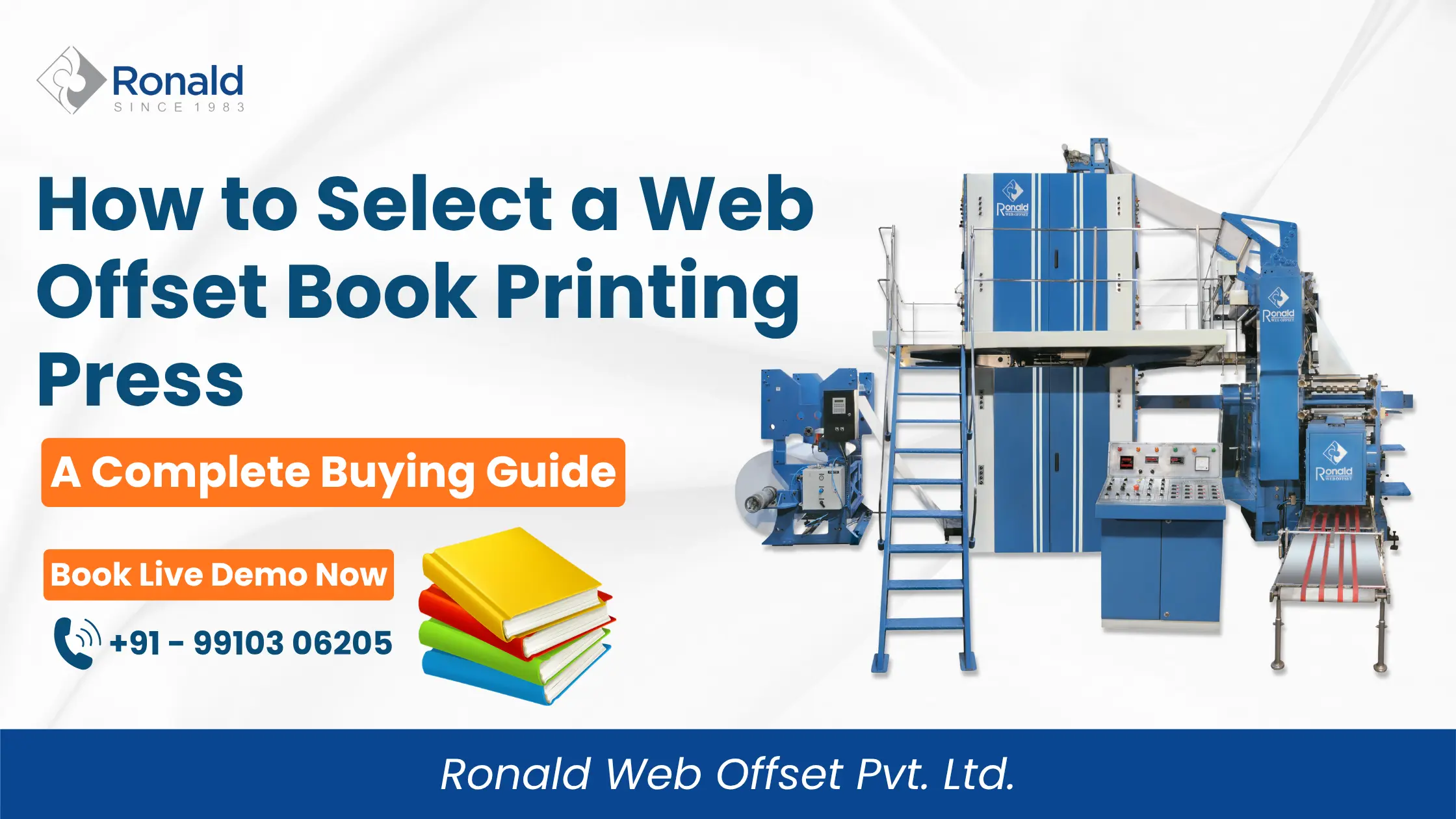
How to Select a Web Offset Book Printing Press Choosing the right Web Offset Book Printing Press is important for...
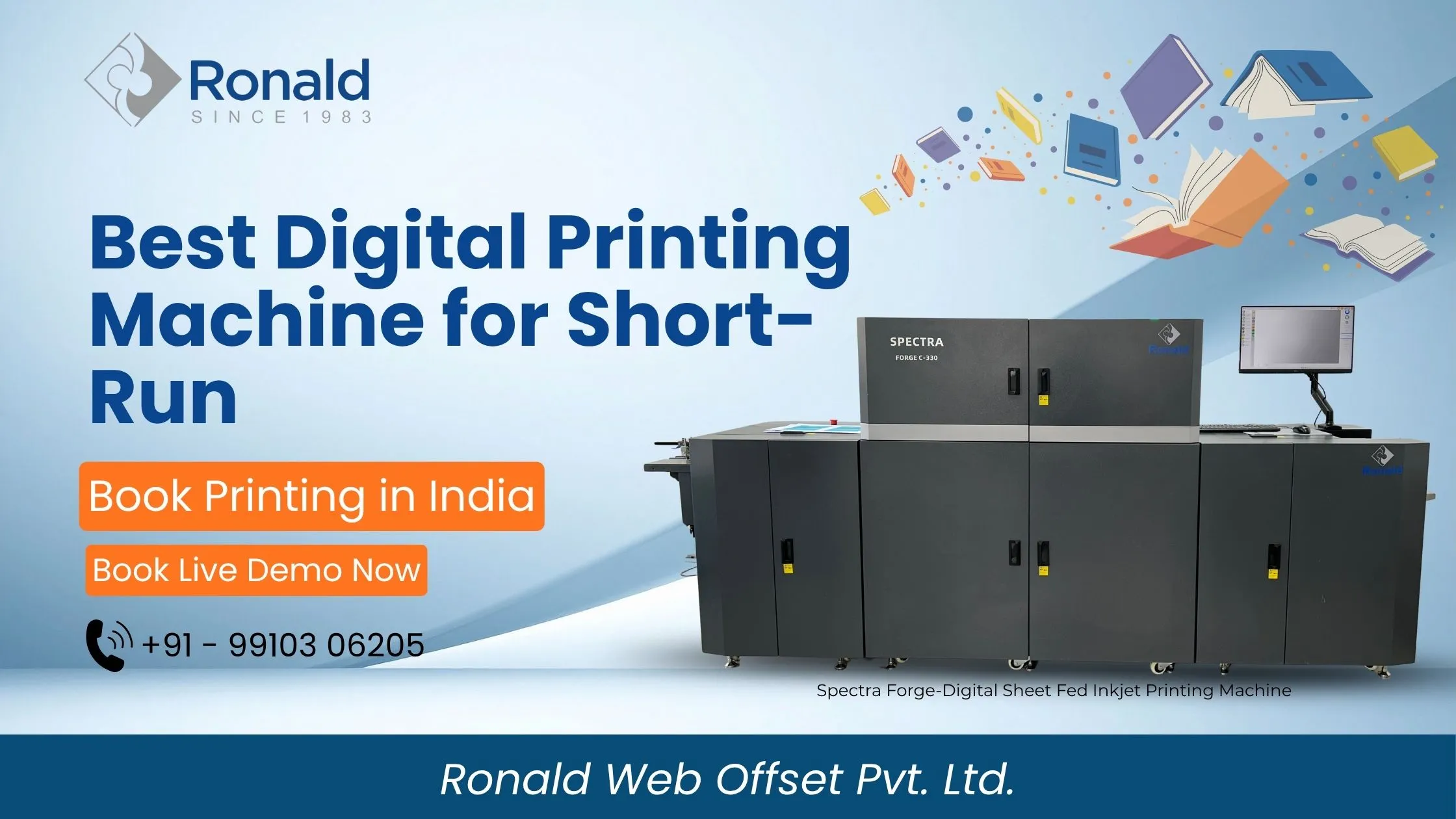
Best Digital Printing Machine for Short-Run Book Printing in India Digital printing machine for short-run books in India can help...