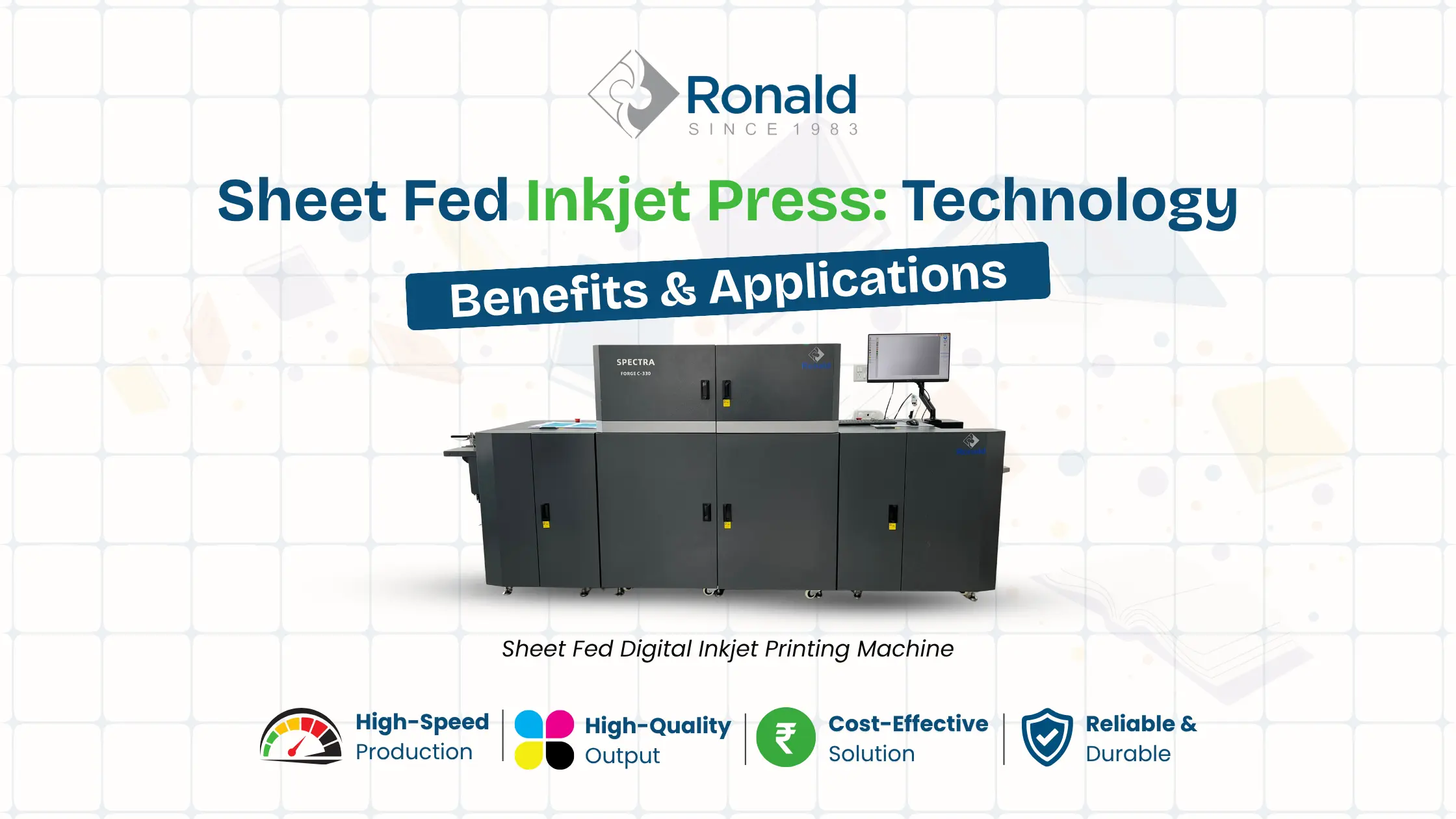
Sheet Fed Inkjet Press: Technology, Benefits & Applications The printing industry is changing rapidly as businesses look for faster, more...
October 1, 2026
The printing industry has changed rapidly in recent years. Businesses now need faster production, better print quality, and flexible printing solutions.
Because of these needs, many companies are turning to modern printing technology. One of the key technologies in use today is digital printing.
Unlike traditional printing systems, modern printers work directly with digital files. This eliminates the need for complex preparation and helps businesses start production quickly.
As a result, printing companies can finish jobs faster and take on more orders.
Today, many industries depend on modern printing equipment. Packaging companies, label manufacturers, and commercial printers all use digital printing solutions to improve efficiency.
These machines help businesses produce high-quality prints while cutting down production time.
Digital printing is a modern process that prints images directly from digital files.
The printer transfers the image from a computer to the printing surface without using printing plates.
This method speeds up the printing process and increases flexibility.
Digital printers can print on various materials such as:
Many modern printers use advanced inkjet technology. This system produces sharp images, smooth color gradients, and accurate details.
Because of these advantages, printing companies use digital systems for many applications, including commercial printing, packaging production, and label manufacturing.
This technology is particularly valuable for short production runs and customized printing.
The demand for modern printing solutions is increasing worldwide.
Businesses today require faster turnaround times. They also want to produce smaller batches without incurring high setup costs.
Traditional printing systems typically need plates and lengthy preparation times. However, digital systems reduce these steps.
As a result, companies can begin production quickly and deliver projects faster.
Another factor driving this growth is the rise of e-commerce.
Online businesses need packaging, labels, and promotional materials. Modern printing solutions enable manufacturers to respond quickly to these needs.
Because of these benefits, many countries are investing in advanced printing technology.
Important markets include:
These areas are consistently investing in modern printing machinery to boost output capacity.
Modern printing machines provide several advantages for printing companies.
Faster Production
Lower Setup Cost
Excellent Print Quality
Flexible Production
Reduced Material Waste
Different types of digital printing machines are used based on production needs.
Roll-to-Roll Printing Systems
Sheet-Fed Printing Systems
Both modern digital systems and traditional offset machines play significant roles in the printing industry.
However, they serve different purposes.
Modern digital printers are ideal for short runs and customized printing.
Offset machines work better for massive production volumes.
Because of this difference, many printing companies use both systems.
This combination lets them handle a wide variety of printing projects.
Modern printing machines support many industries.
Packaging Production
Label Manufacturing
Commercial Printing
Publishing

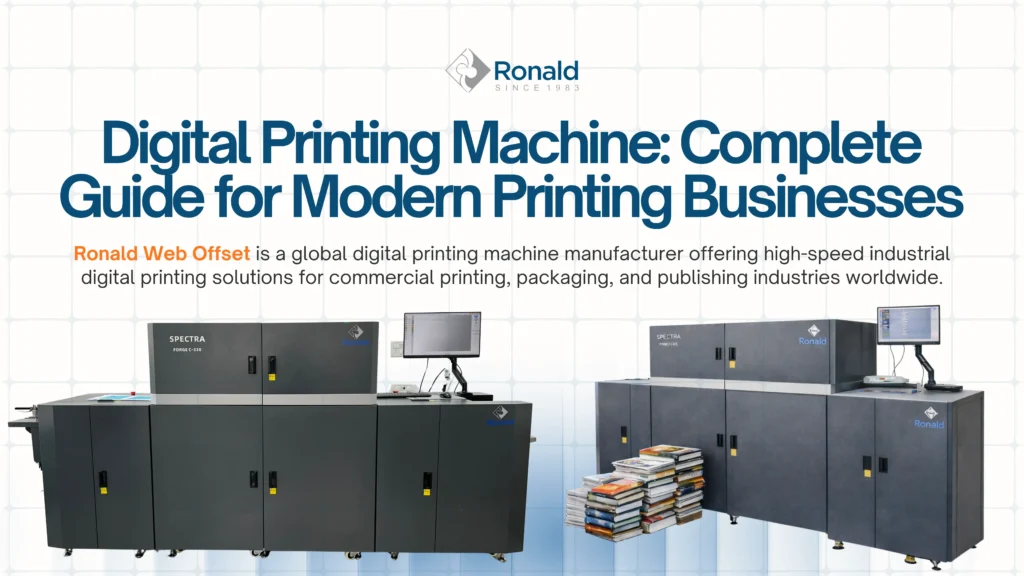
Spectra Forge offers modern printing press designed for industrial production.
These machines combine contemporary engineering with reliable performance.
They support industries such as commercial printing, packaging production, and publishing.
Key benefits include:
These features help printing companies boost productivity and enhance overall efficiency.
Modern printing machines have changed how businesses produce printed materials.
They offer faster production, excellent print quality, and flexible printing options.
Companies can now create customized products with greater efficiency.
As global demand for advanced printing solutions continues to grow, modern printing technology will be crucial in the industry.
Many printing businesses now upgrade their production lines with advanced digital printers to boost efficiency and cut turnaround time.
Businesses that invest in dependable equipment will improve productivity and remain competitive.
Digital printing is a method that prints images directly from digital files without using printing plates.
Industries such as packaging, labeling, publishing, and commercial printing utilize this technology.
These systems provide faster production, flexible printing, and high-quality results.
Companies prefer these systems because they reduce setup time and enhance production efficiency.
Explore our Digital Printing Machines for Short-Run printing applications.
Sheet Fed Inkjet Press: Technology, Benefits & Applications The printing industry is changing rapidly as businesses look for faster, more...
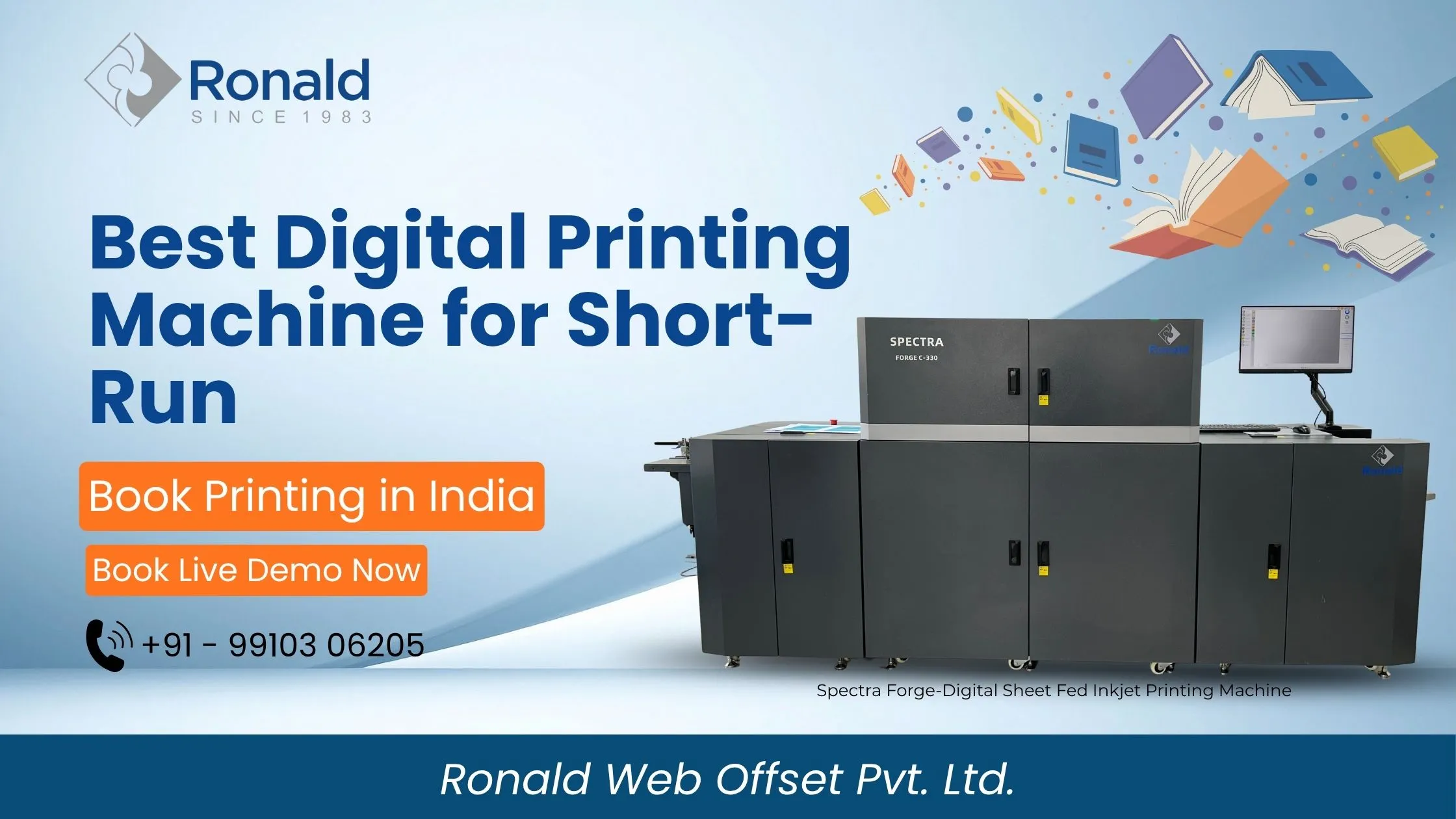
Best Digital Printing Machine for Short-Run Book Printing in India Digital printing machine for short-run books in India can help...
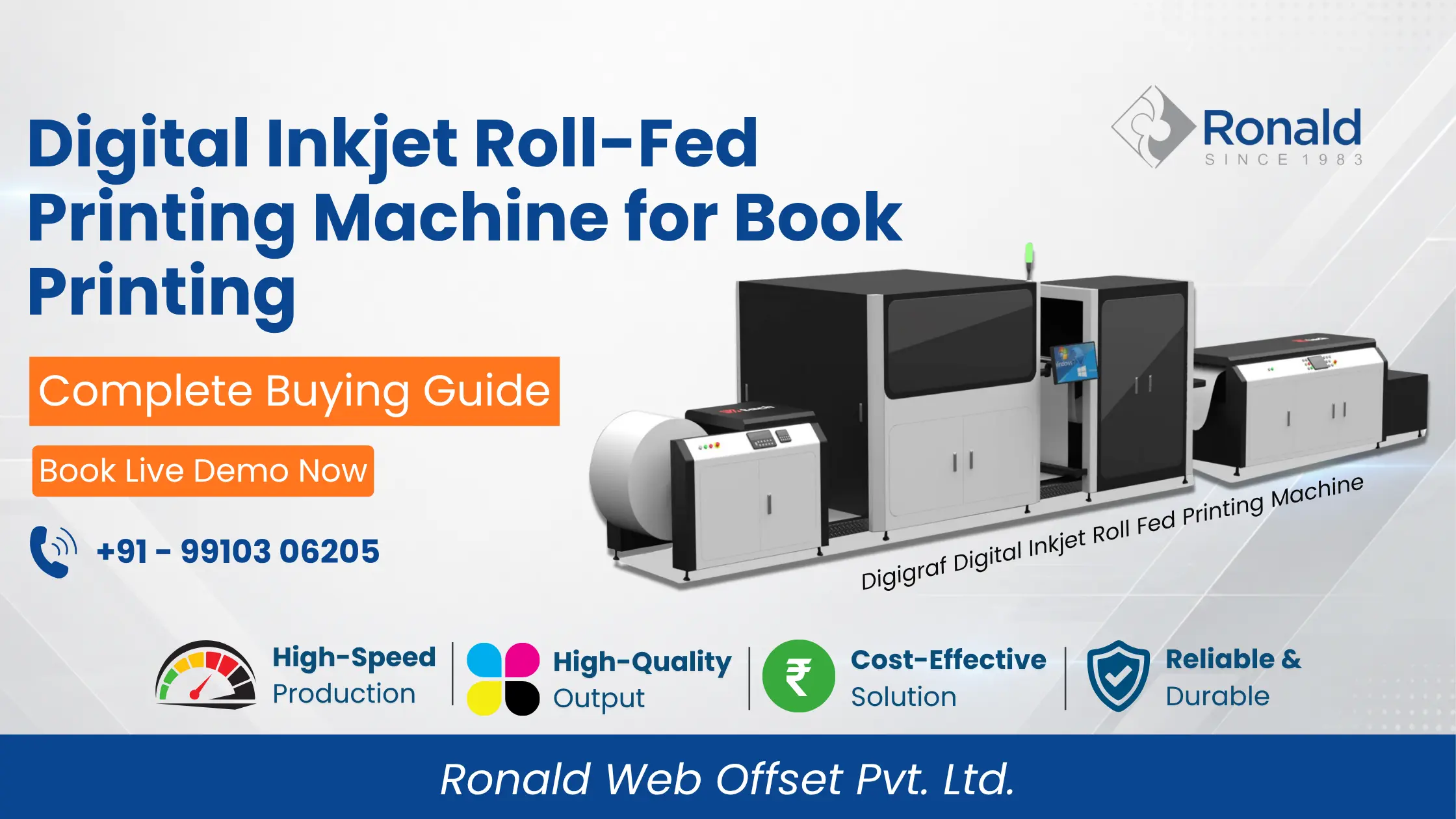
Digital Inkjet Roll Fed Printing for Book Printing A Digital Inkjet Roll Fed Printing Machine for Book Printing can help...
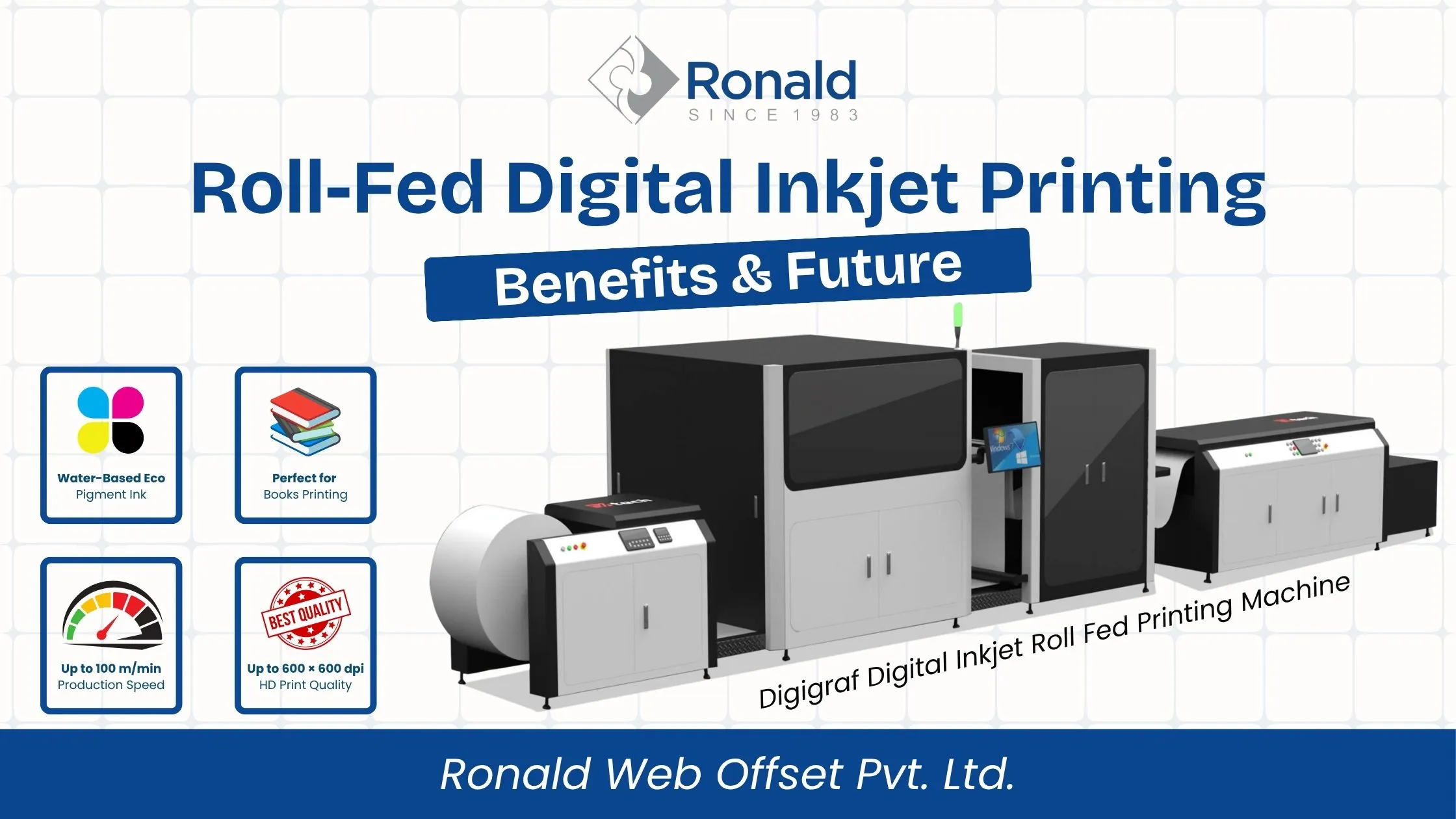
Roll-Fed Digital Inkjet Printing: Benefits & Future Introduction The printing industry is changing fast. Customers want better quality, faster delivery,...